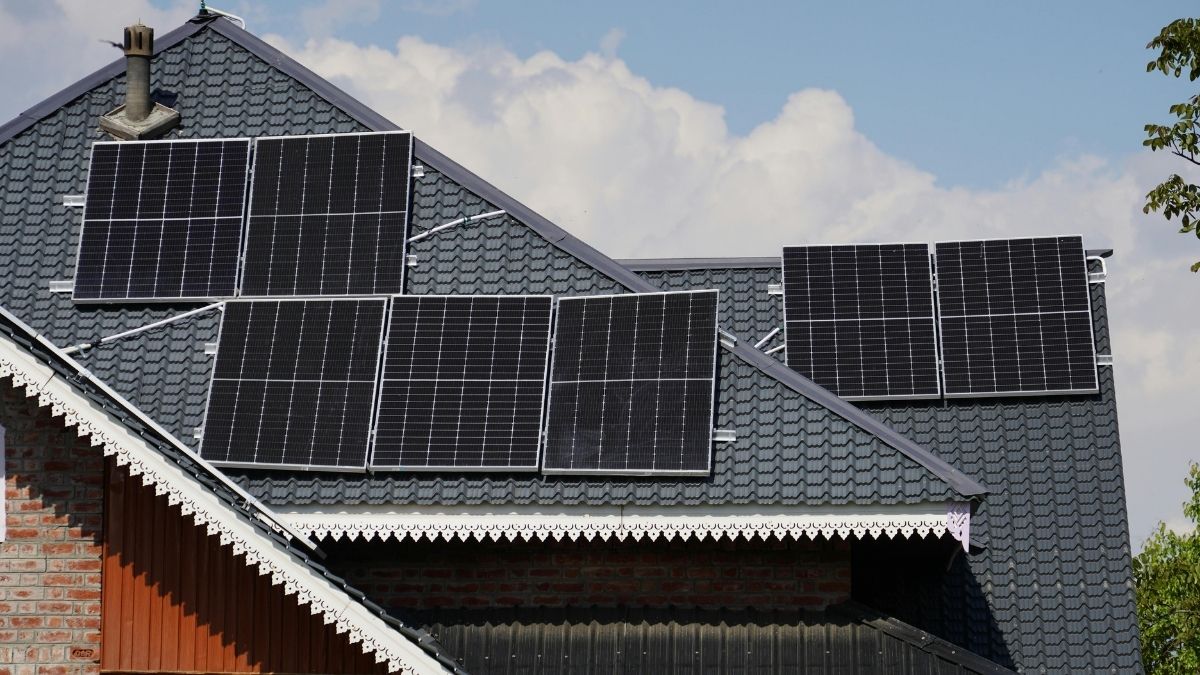
If you have taken a walk around your local neighbourhood recently, you have likely noticed a significant change in the landscape. More and more rooftops are being adorned with sleek, dark panels. It is not just a trend for the eco-conscious anymore; it has become a practical financial decision for thousands of households across the country. The conversation around energy has shifted from simply paying the monthly bill to finding ways to generate your own power and gain a level of independence from the volatile energy market.
A professional Solar installation is a significant home improvement project, but it is one that offers a unique combination of environmental and financial rewards. While the initial thought of panels, inverters, and batteries might seem a bit daunting, the reality of the process is much more straightforward than most people realise. Modern technology has made these systems more efficient than ever, even in the UK where the sun isn’t always at its brightest. Understanding how the system works and what to expect during the process is the first step toward taking control of your home’s energy future.
How a solar installation actually works on your roof
When you finally decide to move forward with a Solar installation, the first step is always a technical survey. This is not just a quick glance at your tiles; it is a detailed assessment of your roof’s orientation, pitch, and structural integrity. Most systems are installed on south-facing roofs to maximise sunlight exposure, but east and west-facing roofs are also highly effective, particularly for those who use more electricity in the mornings or evenings.
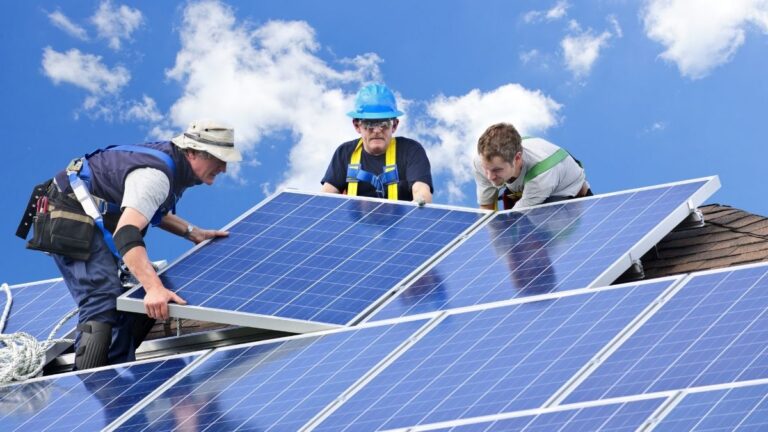
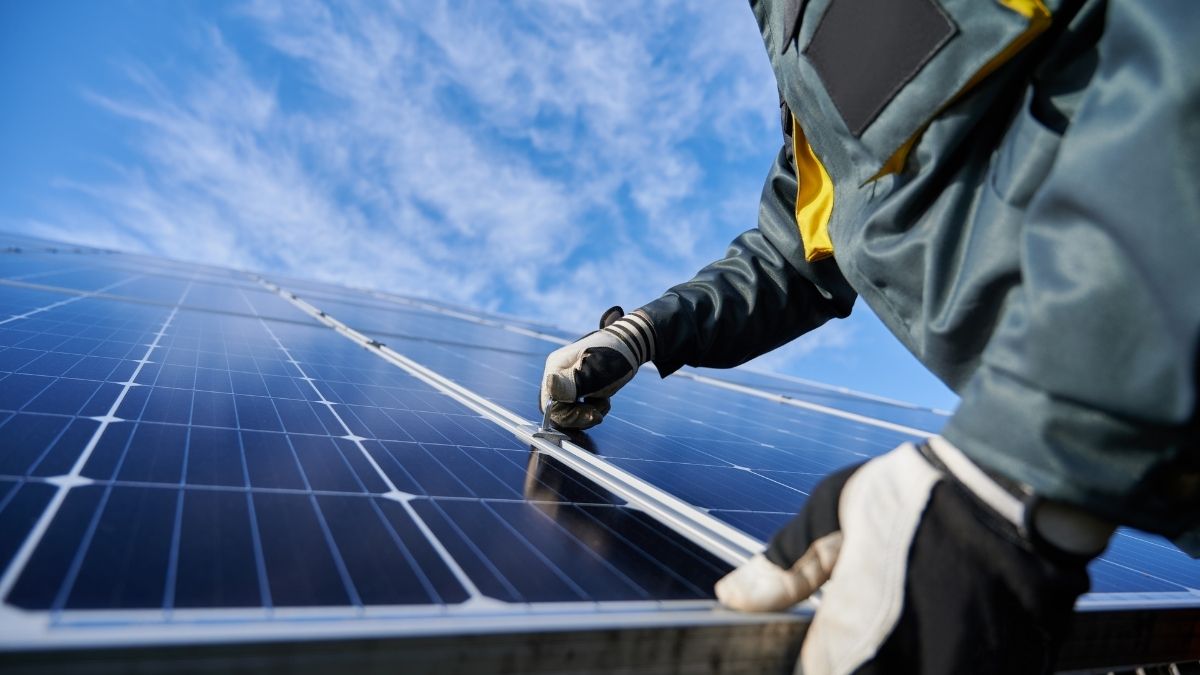
The physical process of putting the panels up is usually quicker than people expect. Most residential setups can be completed in just one or two days. The installers will typically set up scaffolding to ensure safety while they work on the roof. They then attach a series of mounting brackets directly to the roof rafters. These brackets hold the rails upon which the solar photovoltaic (PV) panels are securely bolted. This method ensures that the panels can withstand high winds and heavy snow loads, keeping your system safe for decades.
The essential components of your new system
Beyond the panels themselves, there is a lot of clever technology working behind the scenes to turn sunlight into usable electricity for your kettle, television, and lights. A standard system consists of several key parts that must be carefully integrated during the setup.
- Solar PV Panels: These capture sunlight and convert it into direct current (DC) electricity.
- The Inverter: This is the brain of the system. It takes the DC electricity from the panels and converts it into alternating current (AC), which is what your home appliances use.
- Generation Meter: This tracks how much electricity your system is producing in real-time.
- Battery Storage (Optional): While not strictly necessary, many homeowners now choose to include a battery to store excess energy generated during the day for use at night.
Preparing your home for the transition
Before the team arrives to start the work, there are a few things you should consider to ensure the project runs smoothly. While most solar setups fall under ‘permitted development’ and do not require formal planning permission, there are exceptions. If you live in a conservation area or a listed building, you will need to check with your local authority first. Your installer should be able to guide you through this process and help you understand any specific local regulations.
You should also think about your current energy usage patterns. Solar energy is most effective when you use it as it is being generated. This might mean shifting some of your habits, such as running the dishwasher or washing machine during the middle of the day. If you are someone who works away from home during daylight hours, this is where battery storage becomes an incredibly valuable addition to your setup, as it allows you to save that free energy for when you actually return home in the evening.
What to look for during a site survey
A high-quality survey is the foundation of a successful project. During this visit, the technician will look at several factors that will influence the final design of your system. They are not just looking for a place to put the panels; they are looking for the most optimised configuration for your specific needs.
- Roof Condition: Checking for any damaged tiles or structural issues that need addressing before the panels go on.
- Shading Analysis: Identifying nearby trees, chimneys, or buildings that might cast shadows on the panels at certain times of the day.
- Electrical Infrastructure: Assessing your current consumer unit (fuse box) to ensure it can handle the new input from the solar system.
- Cable Routing: Determining the most discreet and efficient way to run wires from the roof to the inverter and into your home’s electrical system.
The long-term benefits of generating your own power
The most immediate benefit people notice after their project is finished is the reduction in their monthly energy bills. By generating your own electricity, you are buying less from the grid. In an era where energy prices have been incredibly unpredictable, this provides a sense of security and a hedge against future price hikes. Furthermore, any excess electricity you generate but don’t use can often be sold back to the grid through the Smart Export Guarantee (SEG), providing a small but steady stream of income.
Beyond the financial aspect, the environmental impact is profound. A typical residential system can save around one tonne of carbon dioxide every year. Over the twenty-five to thirty-year lifespan of the panels, that adds up to a massive reduction in your household’s carbon footprint. It is one of the most effective ways an individual can contribute to the transition away from fossil fuels and toward a more sustainable way of living.
Maintaining your system for peak performance
One of the best things about solar technology is that it has no moving parts, which means it requires very little maintenance. However, a little bit of care can go a long way in ensuring you get the maximum return on your investment. Keeping the panels clean is the most important task, as a thick layer of dust, bird droppings, or fallen leaves can slightly reduce their efficiency.
- Annual Visual Checks: Periodically look at your panels from the ground to ensure no debris has built up.
- Monitor Your Output: Most modern inverters come with a mobile app that allows you to see how much energy you are producing; if you notice a sudden drop, it might be time for a professional check-up.
- Professional Servicing: Having a technician visit every few years to check the electrical connections and the health of the inverter is a sensible way to ensure everything remains safe and efficient.
- Keep Trees Trimmed: Ensure that any nearby foliage hasn’t grown to the point where it is now shading your panels.
As the technology continues to evolve, we are seeing even more ways to integrate solar into our daily lives. From electric vehicle charging points that prioritise solar energy to smart home systems that automatically turn on appliances when the sun is shining brightest, the possibilities are expanding. Investing in a system now sets your home up to be part of a smarter, cleaner, and more decentralised energy network that benefits everyone.

A wellness writer with a focus on integrative therapy, holistic health practices, and physical rehabilitation. Clara specialises in making complex therapeutic concepts approachable through clear, actionable content.